
Filter coffee can be clean, sweet, smooth and very enjoyable in the cup. But it can just as easily turn out sour, bitter, watery or dry. The problem is not always the coffee itself.
More often, the weak point is elsewhere: people follow a recipe without understanding what each variable actually controls. Grind size, water, temperature, brew time and ratio work as one system. Change everything at once, and the taste becomes unpredictable. Understand the logic, and you can adjust filter coffee to suit your cup.
Start with the right ratio
A good starting point for filter coffee is around 60 g of coffee per 1 litre of water. At home, that can look like this:
- 15 g of coffee to 250 g of water;
- 18 g of coffee to 300 g of water;
- 30 g of coffee to 500 g of water.
This is not a rule. It is a practical starting point. If the coffee tastes watery, try using slightly more coffee or slightly less water. If the cup feels too heavy, dense or sharp, add a little more water to the same dose of coffee.
The ratio does not only affect strength. It also changes how the coffee feels in the mouth: light, dense, hollow or full.
Adjust the grind size
Grind size is one of the main controls in filter coffee. The finer the grind, the more actively water extracts soluble compounds from the coffee. The coarser the grind, the slower the flavour develops.
If the coffee tastes sour, slightly salty, hollow or underdeveloped, the grind is probably too coarse. Try grinding a little finer.
If the coffee tastes bitter, dry, harsh or leaves an unpleasant finish, the grind may be too fine. Try grinding a little coarser.
Important: do not change the grind size together with temperature, dose and brew time. Change one variable, brew again and compare the result.
Watch the water temperature
Water temperature affects how actively the coffee extracts. For most filter methods, a practical range is around 92–96°C.
If the cup tastes flat, slightly sour or not sweet enough, you can raise the temperature. If there is too much bitterness, dryness or sharpness in the cup, lower the temperature slightly.
Lighter roasts often need a higher temperature. Darker roasts usually need a more careful approach, so you do not pull out too much bitterness.
Control the brew time
The amount of time coffee spends in contact with water has a direct effect on taste. If water runs through the coffee too quickly, the cup often tastes sour and thin. If the brew takes too long, dryness, bitterness and heaviness start to appear.
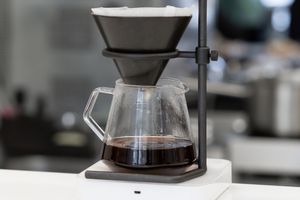
For V60, Kalita and similar methods, 2:30–3:30 can be a useful reference point. But the number itself does not guarantee anything. The stopwatch matters less than the taste in the cup.
If the coffee tastes underdeveloped, increase the contact time. If the cup tastes overdone and dry, shorten the brew time or grind a little coarser.
Pay attention to pouring
Filter coffee does not respond well to chaotic pouring. If water keeps hitting the same spot, part of the coffee overextracts while another part barely takes part in the brew.
It is better to pour evenly, with a calm, thin stream, gradually wetting the whole coffee bed. Avoid pouring only into the centre or only around the edges of the filter.
More active pouring, stirring or swirling increases extraction. A gentler pour lowers it. This is a useful tool when you want to shift the taste slightly without changing the whole recipe.
Do not skip the bloom
At the start of brewing, wet the coffee with a small amount of water and let it sit for 30–45 seconds. This stage is called the bloom.
For example, if you use 18 g of coffee, 36–54 g of water is enough for the bloom. After that, you can continue with the main pour.
This step helps saturate the coffee more evenly. As a result, the brew becomes more stable and the flavour cleaner.
Check the water quality
Filter coffee is almost entirely water. That means water affects the taste just as much as the beans.
Water that is too hard can make the cup taste rough and dull. Water that is too soft or almost distilled can make it taste empty. At home, the simplest solution is to use good filtered water and avoid boiling the same water repeatedly.
If you bought good coffee but the cup keeps tasting flat, start by checking the water. It is cheaper and faster than looking for a new grinder or changing the whole recipe.
Rinse the paper filter
A paper filter should be rinsed with hot water before brewing. This removes any papery taste and warms up the brewer at the same time.
After rinsing, discard the water from the server or cup. Only then add the coffee and start brewing.
Keep your equipment clean
Old coffee oils spoil flavour quickly. They remain on the dripper, server, thermos, lid, spout, mesh filters and coffee maker parts.
If the coffee has an unpleasant, stale or rancid note, the problem may not be the beans. It may be the equipment. This is especially common with thermoses and drip coffee makers that are not cleaned thoroughly enough.
Do not change everything at once
This is the biggest mistake when adjusting filter coffee. Someone changes the grind, temperature, dose, water and pouring technique — then has no idea which change affected the result.
It is better to move step by step:
- first, fix the ratio;
- then adjust the grind size;
- after that, correct the temperature;
- then work with brew time and pouring.
This way, you do not simply stumble into a good cup. You begin to understand how to repeat it next time.
How to know what to change
If the coffee tastes sour, slightly salty, hollow or underdeveloped, you need to increase extraction. You can grind finer, raise the temperature, extend the brew time or pour a little more actively.
If the coffee tastes bitter, dry, harsh or heavy, extraction is probably too high. Try grinding coarser, lowering the temperature slightly, shortening the brew time or pouring more gently.
If the coffee tastes watery, the issue may not be extraction but concentration. Use a little more coffee or less water.
If the coffee feels too dense and sharp, reduce the coffee dose or increase the amount of water.
Why pre-ground coffee can be an advantage
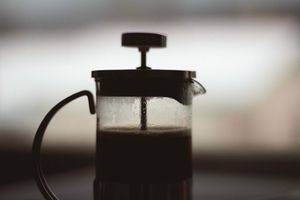
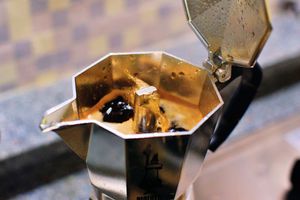
For good filter coffee, it is not enough for coffee to be ground. The grind needs to match the brewing method. Coffee for a cup, V60, French press, drip coffee maker or moka pot should not be ground the same way.
A grind that is too fine for filter coffee can bring bitterness and dryness. A grind that is too coarse can bring sourness, hollowness and a weak body. That is why professional grinding for a specific brewing method removes part of the complexity for the customer.
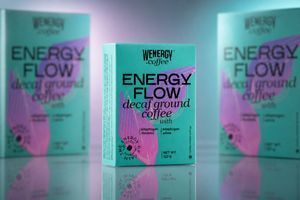
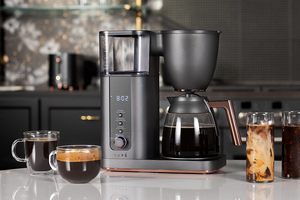
WEnergy coffee is made in the familiar format of filter coffee. You can choose it for your brewing method: cup, V60, drip coffee maker, French press, moka pot or thermos. This matters not as a nice product detail, but for a more consistent result in the cup.
Conclusion
You improve filter coffee not through random tips, but through consistent adjustment. Start with the ratio, then check the grind, water, temperature, brew time and pouring technique. Change one variable at a time and taste the coffee not only hot, but also after it cools slightly.
Filter coffee clearly shows the quality of the beans, the accuracy of the grind and the care in brewing. When these things are in place, the cup becomes cleaner, smoother and easier to understand.
WEnergy coffee is filter coffee for situations where you want more than just a cup of coffee: a predictable taste and a clear, collected state for a full day.