When someone buys specialty coffee for home for the first time, it is easy to come to the wrong conclusion. The coffee may seem too bright, too light, or simply hard to understand. But the issue is often not the coffee itself. The problem is that it was chosen for the wrong taste preference, the wrong brewing method, or the wrong format.
That is why the starting point should not be the country, the flavor notes, or the boldest description on the bag. The real starting point is practical use: how you are going to brew coffee at home, whether you have a grinder, and what kind of cup you actually want to drink on a regular basis.
The working logic is simple: brewing method → whole beans or grind → taste → specific coffee. In that order, choosing specialty coffee for home becomes far more accurate.
Where to Start
Before buying, it is worth answering three questions:
- How are you going to brew coffee at home?
- Do you have a grinder, or do you need ready-ground coffee?
- What kind of taste do you prefer: brighter or calmer, lighter or fuller-bodied?
If those three things are not clear, the choice turns into random searching. Once they are clear, the range of options narrows sharply, and the coffee is no longer judged “in general,” but in the context of how you actually brew at home.
Step One — Decide How You Brew
This is the main decision point. Your brewing method determines which coffee format makes sense for you.
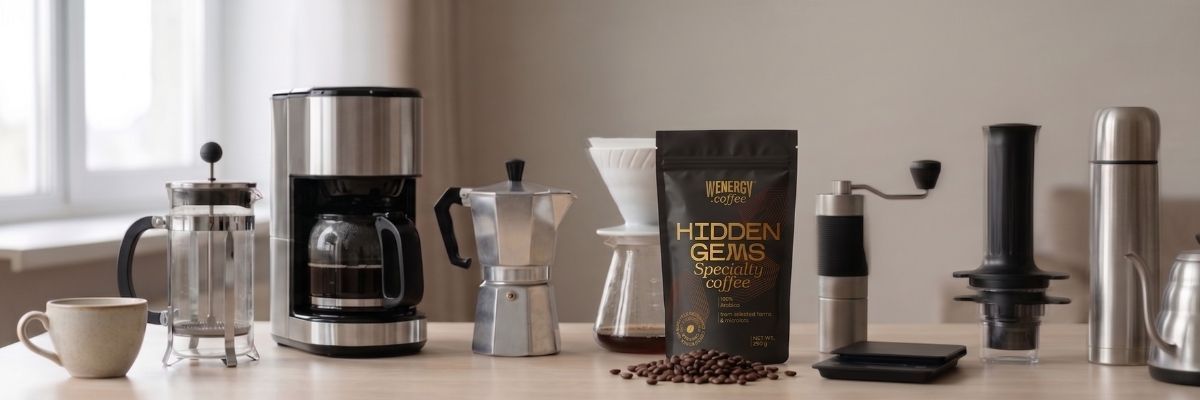
Brewing in a cup, in a French press, in a drip coffee maker, in a moka pot, in a V60, in a Kalita, in a Cafflano Kompresso, or in a thermos all require different approaches.
The same lot will not deliver the same result across every method. That is why the question “which specialty coffee should I buy” is more useful when narrowed down: which coffee should I buy for cup brewing, for French press, for V60, for a morning thermos, or for everyday brewing at home.
Which grind to choose for specialty coffee
Step Two — Decide Between Whole Beans and Ready-Ground Coffee
The idea that whole beans are always better sounds convincing, but at home it is not a universal rule.
If you have a good grinder and want to control the process yourself, whole beans give you more flexibility. But if you do not have a grinder, or if your grinder is inconsistent, the result in the cup will often be worse than using coffee that has already been ground properly for the method.
- Choose whole beans if you have the equipment and want to dial in the brew yourself.
- Choose ready-ground coffee if what matters more is a more even result in everyday home use.
For a first entry into specialty coffee, properly prepared ground coffee often does more for the final result than buying whole beans “just in case.”
Step Three — Understand the Taste You Are Looking For
Not all specialty coffee tastes the same. One lot will be brighter and lighter, another calmer, fuller, and softer.
If someone is just getting into specialty coffee, a common mistake is to start with something too extreme. After that, they may decide that “all specialty coffee is too acidic” or that the category simply is not for them.
A more practical approach is to start with a cup you can enjoy regularly. The questions should look like this:
- Do I want a brighter taste or a calmer one?
- Do I prefer a lighter cup or a fuller-bodied one?
- Am I looking for coffee for everyday drinking or for comparison and new experiences?
Only after that does it make sense to look at origin, processing method, and flavor descriptors.
A Practical Selection Framework for Home
At home, choosing specialty coffee does not begin with the lot name — it begins with the method. The method determines which format of coffee you need, what kind of cup you will get, and where mistakes most often happen.
If You Brew in a Cup
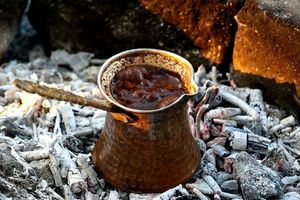
This is the simplest home method. No special equipment is required, and the coffee stays in contact with the water throughout the entire brew. Because of that, the cup tends to be fuller-bodied and denser, with more fine particles remaining in the drink.
For this method, it is important to use a grind intended for cup brewing. If it is too fine, the cup quickly turns bitter and drying. If it is too coarse, the coffee tastes hollow and weak.
This is a strong home option if you want a simple setup and do not want to start with extra equipment.
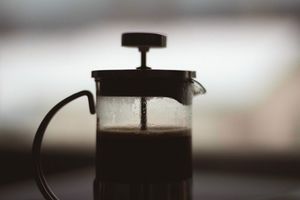
If You Brew in a French Press
French press produces a heavier, fuller cup than paper-filter methods. The reason is that the coffee stays in contact with the water for longer, and the metal filter lets through more oils and fine particles.
It needs its own grind — not the same one you would use for a dripper or cup brewing. If the format is wrong, the drink often becomes either muddy and overloaded, or weak and washed out.
At home, French press suits people who like a fuller cup and do not want a complicated process.
If You Use a Drip Coffee Maker
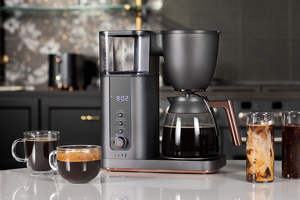
This is one of the most practical methods for daily home brewing, especially when you want to make several cups at once. But it is also where it becomes obvious why one grind cannot work for everything.
A smaller water volume needs one grind, a larger volume needs another. If the format is off, the water flows either too quickly or too slowly, and that immediately changes the taste in the cup.
For home use, this is a strong option if you want convenience, repeatability, and multiple servings in one brew.
If You Brew in a Moka Pot
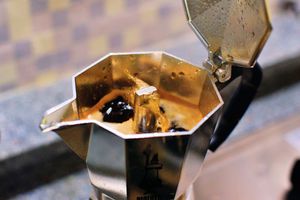
Moka is not “almost espresso” and not “filter coffee on the stove.” It works differently: water passes through the coffee under steam pressure, so the result is denser, more concentrated, and more direct in flavor.
That is why moka needs its own grind and its own approach to coffee selection. If someone prefers a richer cup or often adds milk, moka can be a more intuitive home format than V60 or cup brewing.
If You Brew with V60 or Kalita
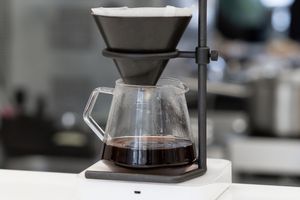
These methods are for people who want a cleaner, more transparent cup. This is where fruit, berry, floral, and other delicate notes show up most clearly — the very notes that often draw people into specialty coffee in the first place.
But the format matters more here: grind, dose, and drawdown speed have a stronger effect on the result than they do in cup brewing or French press. When everything lines up, these methods reveal the bean’s potential very well. When it does not, they expose mistakes just as quickly.
If You Use Cafflano Kompresso
This is no longer just an alternative brew — it follows a manual espresso logic. It has different coffee requirements, a different grind range, and a much narrower margin for error.
For this format, it is not enough to “just have good coffee.” Dose, water temperature, pressure, and extraction time all matter. That is why Cafflano Kompresso should not be treated like a filter setup or a “one-grind-for-everything” situation.
If You Brew in a 1.5 L or 2.0 L Thermos
A thermos is its own home-brewing scenario, not just a larger cup. Once the volume gets bigger, it is not only the amount of water that changes, but the character of the brew itself.
Because of that, a grind that works for one cup will not give the same result at a larger volume. That is why a 1.5 L or 2.0 L thermos needs a separate format if you want a more even flavor over a longer drinking window.
What Else Shapes Flavor at Home
Water
Even correctly chosen coffee can taste weaker if you ignore the water at home. Coffee is made up almost entirely of water, so its composition has a direct impact on taste.
For home brewing, a practical reference point is bottled water with moderate mineral content. This matters especially for cup brewing, V60, and drip coffee makers, where water strongly affects clarity in the cup.
Freshness
Ground coffee loses aroma faster than whole beans. So if flavor matters to you, it is not a good idea to buy a large amount at random, especially for a first purchase.
It makes more sense to start with a quantity you can use within a reasonable time, and then repeat the choice once you know it works for you.
Packaging
A good specialty coffee bag should be opaque and airtight. A degassing valve and a proper seal help preserve aroma and flavor for longer.
This matters not only for storage, but also for home use, where the coffee bag gets opened again and again.
How to Make Your First Purchase a Smart One
For a first home purchase, there is no need to chase the most complex lot. What you need is coffee you can actually brew properly with your method.
- First, decide how you are going to brew coffee.
- Then decide whether you need whole beans or ready-ground coffee.
- After that, choose your taste direction: brighter or calmer, lighter or fuller.
- Start with a smaller amount instead of buying a large bag at random.
That approach gives you the key thing: you are not buying “interesting coffee in general,” but a format that will actually work in your home brewing setup.
When to Choose a Blend and When to Choose a Single Origin
At home, this is not a theoretical question but a practical one. If what matters most is flavor stability and a predictable result, a blend is often the stronger option.
If you are more interested in exploring individual lots, origins, and the differences between them, then it makes sense to move toward single origins.
Blend or single origin: which one is better to buy
Which Specialty Coffee to Choose for Everyday Home Brewing
If you need coffee for home, the selection logic should stay practical. Do not start with the most dramatic-sounding description. Start with how you brew, whether you have a grinder, what kind of taste you prefer, and whether you want a stable everyday cup.
That is exactly the role of SPECIALTY HIDDEN GEMS Coffee. It is available as whole beans or ground for a specific brewing method.
This approach reduces mistakes before the first brew and gives you a better chance of getting the result that makes people move into the specialty coffee category in the first place.
Go to SPECIALTY HIDDEN GEMS Coffee
Frequently Asked Questions
Where should I start when choosing specialty coffee for home?
Start with the brewing method. That is what determines which format you need: whole beans or ready-ground coffee, and if ground — which grind.
What is better for home: whole beans or ground coffee?
If you have a good grinder, choose whole beans. If consistency and simpler home brewing matter more, choose ready-ground coffee.
Can I use one grind for every brewing method?
No. Cup brewing, French press, moka pot, V60, Kalita, Cafflano Kompresso, and thermos brewing all require different formats.
What kind of specialty coffee works best for everyday drinking?
The one you can enjoy regularly and that matches your brewing method. For most people, that matters more than the loudest or most attention-grabbing lot description.