Ground coffee or whole bean coffee: what to choose for home and work
Ground coffee or whole bean coffee is not a choice between “good” and “bad.” It is a choice between two different approaches to brewing. Whole bean coffee gives you more control over taste and aroma, but it requires a grinder. Ground coffee is more convenient when you need a ready-to-use format for a specific brewing method.
So the right question is not: which coffee is better overall? The right question is where you will brew it, how you will brew it, and whether you are ready to handle the grind yourself.
What is the difference between ground coffee and whole bean coffee?
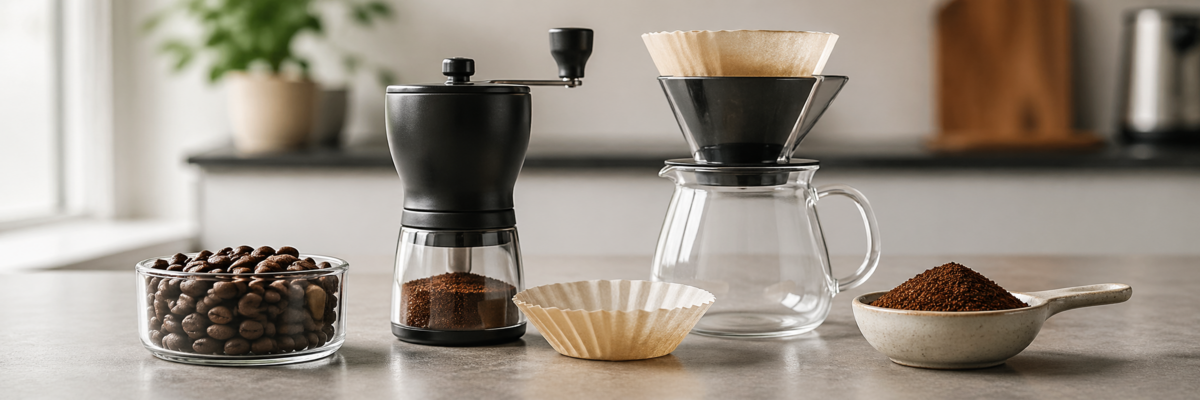
Whole bean coffee is roasted coffee that needs to be ground before brewing. Ground coffee is the same roasted coffee, but it has already been ground for a specific brewing method.
Whole bean coffee preserves aroma better until the moment of brewing because the intact bean has less contact with air. Once the beans are ground, the contact surface increases, and aromatic compounds start to fade more quickly.
That is why freshly ground coffee usually gives a more expressive aroma and more nuance in the cup. But this only works when the grind truly matches your brewing method.
| Criterion | Ground coffee | Whole bean coffee |
|---|---|---|
| Preparation | Ready to brew | Needs to be ground before brewing |
| Equipment | No grinder needed | A good grinder is required |
| Grind control | The grind is already set by the producer | The grind can be adjusted manually |
| Convenience | Higher for everyday use | Higher for those who want to control the brewing process |
| Aroma retention | Loses aroma faster after opening | Retains aroma better in whole beans |
Why transparency matters more with ground coffee
With whole bean coffee, the buyer can see the product before grinding: the shape of the beans, their consistency and the roast level. With ground coffee, it is harder to assess the product visually, so the ingredients, producer, grind description and recommended brewing method matter more.
That is why a ground coffee page should make three things clear: what the product is made from, what method it has been ground for, and how it is best brewed. If these things are not explained, the buyer is effectively choosing coffee at random.
When it makes more sense to choose whole bean coffee
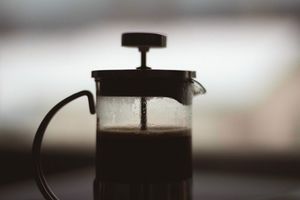
Whole bean coffee makes sense when taste, aroma and the ability to influence the result in the cup matter most to you. Grinding coffee just before brewing reveals more aroma, and adjusting the grind allows you to work more precisely with espresso, filter coffee, French press, moka pot or cup brewing.
But the advantage of whole bean coffee does not work on its own. You need a good grinder and a clear understanding of what grind suits your method. If the grind is uneven or incorrectly set, even good beans can produce a weak, harsh or inconsistent result.
That is why whole bean coffee is a strong choice for people who want flexibility and are willing to pay attention to the brewing process. If you do not have a grinder or do not want to adjust the grind every time, the advantage of whole beans quickly becomes smaller.
When it makes more sense to choose ground coffee
Ground coffee wins when speed, simplicity and brewing readiness matter. You do not need to grind it before brewing, set up a grinder or check whether the particle size suits a specific method.
This is especially important at home in the morning, in the office, during coffee breaks or in any situation where coffee is brewed regularly and no one wants to go through the technical grinding step every time.
- if you do not have a grinder;
- if you brew coffee in a drip coffee maker;
- if several people prepare the coffee;
- if you need a convenient format for the office;
- if you do not want to spend time adjusting the grind.
If you need a broader selection page, see “Ground coffee: how to choose natural coffee”.
Why grind matters more than it seems
The grind determines how water passes through the coffee. If the grind is too coarse, water passes through quickly and the taste may be weak. If it is too fine, water passes through slowly and the taste may become harsh or heavy.
That is why whole bean coffee is not automatically better than ground coffee. It gives you more options, but only if you use them correctly. Without a good grinder and an understanding of grind size, the advantage of whole beans disappears quickly.
Ground coffee, by contrast, removes this variable. If the producer has chosen the right grind for the brewing method, it is easier for the customer to get a repeatable result.
For a drip coffee maker: ground coffee or whole beans?
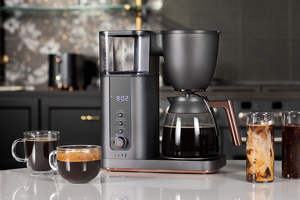
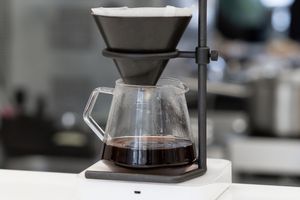
For a drip coffee maker, it is especially important that the grind matches filter brewing. Water needs to pass through the coffee bed at the right speed. If the grind is wrong, the drink can turn out watery, harsh or overly dense.
If you have a grinder and know how to set a medium filter grind, whole bean coffee gives you more control. If not, choosing ground coffee for a drip coffee maker is simpler.
You can read more about this in “Ground coffee for a drip coffee maker: what grind size to choose”.
For the office: which format is more practical?
In an office setting, the main priority is usually not maximum flexibility, but simple and clear preparation. If different people are making coffee, whole beans add another step: someone has to grind the coffee, adjust the grind, keep the grinder clean and explain to others how not to disrupt the settings.
Ground coffee works more simply in the office. It is already prepared for brewing, so the result depends less on the skill of a specific person. This is especially noticeable with a drip coffee maker, where a clear everyday format matters.
If the coffee is meant specifically for a work setting, also see “Ground coffee for work”.
How to store ground coffee and whole bean coffee
Whole bean coffee usually keeps its aroma longer because less surface area is exposed to air. Ground coffee comes into contact with air much faster, so it is best used without long storage after opening.
The same rules matter for both formats: keep the pack tightly closed and store the coffee away from moisture, light, heat and strong odours. But for ground coffee, these rules are even more critical.
A smaller pack of ground coffee has a practical advantage: it is easier to use up more quickly after opening. Read more in “How to store ground coffee”.
WEnergy coffee: when a ready grind makes more sense
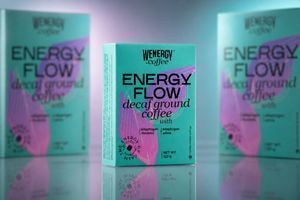
At WEnergy coffee, the ground format is not treated as a compromise, but as a practical solution. Good ground coffee is not just about grinding beans. The grind has to be matched to the brewing method so the customer does not have to compensate for mistakes with equipment or guesswork.
EMPOWER THINK filter coffee, 120 g, ground for a drip coffee maker is a ready-to-use format for people who brew coffee in a drip coffee maker and do not want to adjust the grind themselves.
The product combines selected coffee, a ready filter grind and Ukrainian adaptogenic herbs. The practical benefit is fewer technical brewing mistakes and a clear coffee format for work, study, meetings and demanding days.
Questions and answers
Which is better: ground coffee or whole bean coffee?
Whole bean coffee is better if you have a good grinder and want to adjust the grind yourself. Ground coffee is more practical when you need a ready format for a specific brewing method.
Is ground coffee worse than whole bean coffee?
Not necessarily. Ground coffee can give a very good result if the beans are high quality, the grind has been chosen correctly, and the pack is not left open for too long.
Why does whole bean coffee keep its aroma longer?
Whole beans have less surface area exposed to air. After grinding, the contact surface increases, so ground coffee loses its aroma faster.
Which is better for a drip coffee maker?
If you have a grinder and can set a medium filter grind, whole beans can be a good choice. If you need a ready-to-use format without adjustments, ground coffee for a drip coffee maker is the better option.
Which is better for the office?
For the office, ground coffee is often more practical because it is easier for different people to prepare without separate grind adjustments.
What to choose
If maximum aroma, flexibility and control over taste matter most to you, choose whole bean coffee and a good grinder. If convenience, fast preparation and a ready grind for a specific method matter more, choose ground coffee.
For a drip coffee maker, it makes sense to start with a ready filter grind. If that is exactly the format you need, consider EMPOWER THINK filter coffee, 120 g.