Decaf coffee and regular coffee are not two different drinks. They are two versions of the same product with different caffeine levels. So the right question here is not “which one is better overall,” but “which one fits my situation.”
If you reduce it to one sentence, the difference is simple: regular coffee contains its natural caffeine, while decaf is coffee that has had most of its caffeine intentionally removed at the green bean stage.
In Short: What the Main Difference Is
- Regular coffee keeps its natural caffeine content.
- Decaf has most of its caffeine removed during decaffeination.
- Decaf is not zero-caffeine coffee, but coffee with a much lower caffeine level.
- The amount of caffeine in the cup depends not only on brew method, but first of all on the bean itself and the dose.
How Much Caffeine Is in Regular Coffee
The caffeine content of regular coffee is not fixed. It depends on the coffee species, variety, origin, and growing conditions. On average, arabica contains around 1.5% caffeine, while robusta contains around 2.5%.
But even within the same species, the numbers can vary noticeably. Different arabica lots may contain more or less caffeine depending on genetics and terroir. So regular coffee is not one stable figure, but a range.
How Much Caffeine Is in Decaf
Decaf does not have all of its caffeine removed, but the amount is reduced dramatically. In the US, decaffeinated coffee is defined as coffee with at least 97% of its caffeine removed, while in Europe the threshold is at least 99%.
So decaf is not literally “caffeine-free coffee,” but coffee that contains very little caffeine compared with regular coffee.
What Has More Impact on Caffeine in the Cup: Brew Method or the Bean Itself?
One of the most common mistakes is to think that brew method alone decides everything. In reality, the amount of caffeine in the cup is determined mainly by two things: the bean itself and the dose.
Brew method matters too, but not in the simplified way people often imagine. Espresso feels more concentrated, for example, but that does not automatically mean it contains more caffeine in absolute terms than filter coffee. If less coffee is used, the total amount of caffeine can still be lower.
That is exactly why, if the goal is to actually reduce caffeine intake, changing the recipe alone is often not enough. In that case, it makes more sense to look at decaf.
Why “Just Drinking Less Coffee” Is Not the Same as Choosing Decaf
Yes, a smaller dose of regular coffee also reduces the amount of caffeine in the cup. But that is a different logic. You are either shrinking the serving, or changing the coffee category itself.
Decaf is the more direct option when the real goal is to reduce caffeine, not simply make the drink weaker by recipe.
When It Makes Sense to Choose Regular Coffee
- When the natural caffeine content of coffee works for you.
- When reducing caffeine is not one of your goals.
- When you choose coffee mainly by origin, variety, roast, and flavor profile.
- When what matters most is how a specific bean performs in a regular brewing setup.
When It Makes Sense to Choose Decaf Coffee
- When you want to reduce caffeine but do not want to give up coffee itself.
- When you want to keep the taste of coffee later in the day.
- When you want a more controlled and predictable coffee routine.
- When changing the recipe no longer solves the problem as directly as changing the bean itself.
Does Decaf Taste Different from Regular Coffee?
Yes, it can. Decaffeination changes the bean, so some effect on flavor is possible. But modern methods preserve the flavor and aroma profile much better than they used to.
So the right comparison is not “does it have flavor or not,” but “how well does this particular decaf preserve its profile in the cup.”
Does That Mean Decaf Is Always Weaker?
No. If we are talking specifically about caffeine, then yes, decaf contains much less of it. But that does not mean decaf is automatically a weaker product. It is simply a different coffee with a different caffeine level.
Flavor, aroma, and convenience in daily use depend not only on the fact of decaffeination, but also on the bean itself, the roast, and the brewing format.
Which Format to Choose: Whole Bean, Ground Coffee, or Drip Bags
Once you have decided between regular coffee and decaf, the next step is no longer theory but a practical format choice.
If you brew coffee in a drip coffee maker, ground coffee for filter brewing is the more direct choice. If you want the simplest option without a coffee maker and without dealing with grinding, drip bags are the logical format.
Read more: decaf coffee, whole bean or ground
Read more: how to choose decaf coffee
What to Choose If the Goal Is to Reduce Caffeine in the Cup
If your goal is not just to tweak the recipe a little, but to actually reduce the amount of caffeine, then decaf is the more direct solution than regular coffee with a different ratio or brewing method.
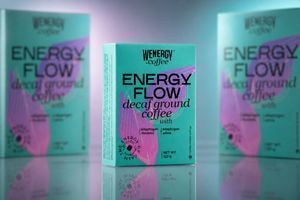
For that use case, WEnergy coffee offers two formats:
- ENERGY FLOW Decaf Drip Coffee — when you want a single cup without a coffee maker;
- ENERGY FLOW Decaf Filter Coffee 120 g — when you brew coffee in a drip coffee maker.
Frequently Asked Questions
Is decaf coffee the same as caffeine-free coffee?
In everyday language, yes. But technically, it is more accurate to say that decaf has a greatly reduced caffeine content rather than zero caffeine.
Can I just change the brew method instead of switching to decaf?
Brew method affects the result, but it does not solve everything on its own. If the goal is to reduce caffeine substantially, decaf is the more direct option.
What matters more for caffeine in the cup: the recipe or the bean?
Both matter. But first of all, the bean itself and the dose make the biggest difference. Brew method comes after that.
Which is better: decaf or regular coffee?
There is no universally better option. It depends on the goal: whether you want to keep the usual caffeine level or intentionally reduce it.