Decaf is coffee that has had most of its caffeine intentionally removed. The process itself is called decaffeination. For the buyer, three questions matter most here: how caffeine is removed from the bean, whether any caffeine remains in the cup after processing, and how much this affects flavor.
What Decaffeination Is
Decaffeination is done at the green coffee stage, before roasting. The goal is simple: remove most of the caffeine while preserving as much of the coffee’s flavor and aroma profile as possible.
The key point is this: decaf is not a separate type of coffee and not a different product. It is regular coffee that has gone through an additional process to reduce its caffeine content.
Which Decaffeination Methods Are Used Today
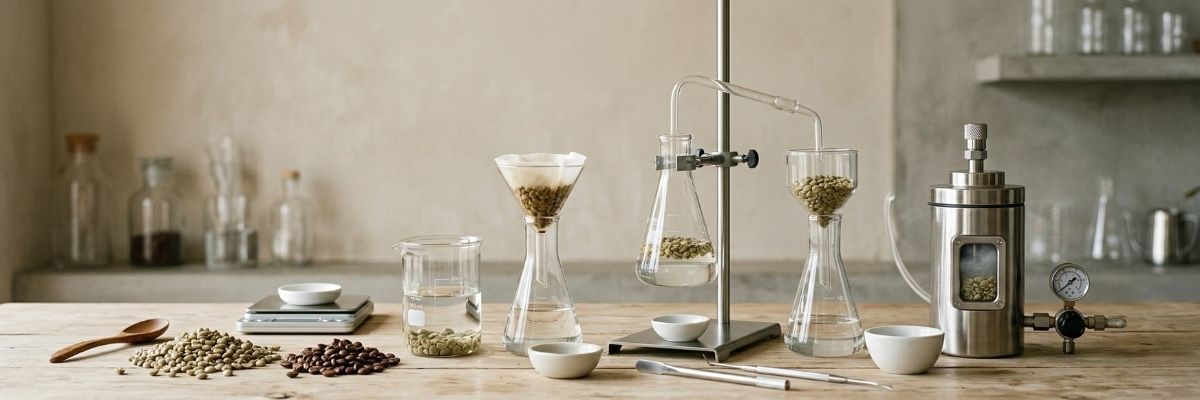
Several methods are used in the industry, but in practice the three main ones are solvent processing, Swiss Water, and supercritical CO₂. These methods make up most of the modern decaf market.
1. Solvent Method
This is one of the most widely used ways to decaffeinate coffee. First, green coffee beans are treated with hot steam or water to make them more open to further processing. After that, the beans are placed in a solution that binds to caffeine molecules.
The substances most commonly used are methylene chloride or ethyl acetate. Ethyl acetate may be synthetic or naturally derived, for example from sugar cane. After treatment, the beans are washed repeatedly with water and then dried.
The logic of this method is straightforward: the solvent draws the caffeine out of the bean, and any remaining traces are removed in the following stages. That is why it makes more sense to judge not the fact that a solvent was used, but the final result in the finished coffee.
2. Swiss Water
Swiss Water is one of the best-known decaffeination methods that does not use chemical solvents. Its logic is built around water and filtration.
First, a batch of beans is soaked in hot water. Soluble compounds move into the water, including both caffeine and aromatic compounds. The solution is then passed through carbon filters that trap the caffeine molecules. The resulting extract is used to process a new batch of beans. Because the solution already contains the coffee’s aromatic compounds, what moves out of the new beans is mainly the caffeine.
That is why Swiss Water is considered one of the cleanest and easiest methods to understand: no solvents, and a strong focus on preserving the bean’s profile.
3. Supercritical CO₂ Method
This is one of the most technologically advanced ways to decaffeinate coffee. At specific temperature and pressure levels, carbon dioxide enters a supercritical state — an intermediate phase between a gas and a liquid. In that state, CO₂ can penetrate the bean and bind to caffeine molecules.
After that, the CO₂ is separated from the caffeine and reused. The main advantage of this approach is how precisely the process can be controlled. That is why the CO₂ method is considered more complex and more expensive, but also highly controllable from a technical standpoint.
Does Decaf Still Contain Caffeine?
Yes. Decaf is not coffee with zero caffeine. The caffeine is not removed completely. What decaffeination does is reduce the amount to a very low level.
In the US, decaffeinated coffee is defined as coffee with at least 97% of its caffeine removed, while in Europe the threshold is 99%. So decaf is not literally “caffeine-free coffee,” but coffee with a significantly reduced caffeine content.
Does the Decaffeination Method Affect Flavor?
Yes, it does. Any intervention in the bean changes its composition. The real question is not whether there is any effect at all, but how well a method preserves flavor and aroma.
Modern decaffeination technologies can remove most of the caffeine while still preserving a familiar coffee profile. That is why good decaf today is no longer a compromise product, but a full coffee with its own character in the cup.
Is Decaf Safe If Solvents Are Used?
This is one of the most common questions around decaf. While some methods do use organic solvents, those substances are virtually absent in the finished coffee. After processing, the beans are washed and dried, and roasting reduces residual amounts even further.
So the more useful way to judge the method is not through myths around the process, but through the actual outcome: how much caffeine has been removed, how well the flavor has been preserved, and what ultimately ends up in the cup after roasting and brewing.
What This Means for the Buyer
For the buyer, the name of the method is not what matters most. What matters is:
- how much caffeine has been removed;
- how well the flavor and aroma have been preserved;
- whether the specific decaf suits your brewing method;
- which format makes the most sense for your use case — whole bean, ground coffee, or drip bags.
In other words, the decaffeination method is not a “good or bad product” label. It is part of the processing technology, and it only makes sense when considered in terms of the final result in the cup.
Which Decaf Format to Choose
At that point, the method is not the only thing that matters. The coffee format matters too. Decaf comes as whole bean, ground coffee, drip bags, and instant coffee. So the right starting point is not the abstract word “decaf,” but the question of how you are actually going to brew it.
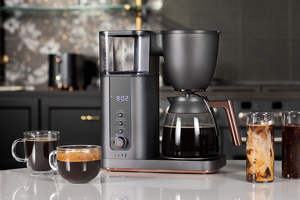
If you want a ready-to-use option without a coffee maker, drip bags are the logical choice. If you have a drip coffee maker at home or in the office, ground decaf coffee for filter brewing is the more practical option.
Read more: what decaf coffee is
Read more: how to choose decaf coffee
What WEnergy coffee Offers
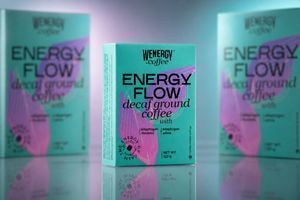
For people looking for a ready format without a coffee maker, WEnergy coffee offers ENERGY FLOW Decaf Drip Coffee.
For people brewing at home or in the office with a drip coffee maker, there is ENERGY FLOW Decaf Filter Coffee 120 g — ground caffeine-free coffee for filter brewing.
Frequently Asked Questions About Decaffeination Methods
Which decaffeination method is best?
There is no universally best method. What matters to the buyer is not the method name itself, but the result: how much caffeine has been removed, how well the flavor has been preserved, and what profile the coffee delivers in the cup.
Is Swiss Water always better than other methods?
Not always. It is a well-known and strong solvent-free method, but the final quality of a decaf depends not only on the process name, but also on the bean itself, the roast, and the result in the cup.
Does decaf still contain caffeine after processing?
Yes, but only in a very small amount. That is why it is more accurate to talk about a significantly reduced caffeine content rather than its total absence.
Does the flavor change after decaffeination?
Yes, some changes are possible. But modern methods preserve the coffee’s flavor and aroma profile much better than they used to.